PRP for Joint Pain: How to Care for Your Joints After Treatment
For residents in Whitchurch-Stouffville and surrounding areas looking to regain mobility and comfort, Dr. Wrinkle Away Clinic offers advanced PRP therapy for joint pain. If you’ve just completed a session or are thinking about signing up, understanding what really supports a smooth recovery can make all the difference in your results.
Many people assume that once the injections are done, healing happens automatically. Yet, the reality is that post-PRP care is an essential piece of the process. This article breaks down practical steps, clinic-backed guidance, and how the right aftercare decisions influence both short-term comfort and long-term relief.
Here’s what we cover:
- Immediate steps to take after your PRP session
- Activities to avoid (and reintegrate later)
- How to maintain joint health in the weeks ahead
- Frequently asked questions about PRP aftercare
What to Do Right After PRP Therapy
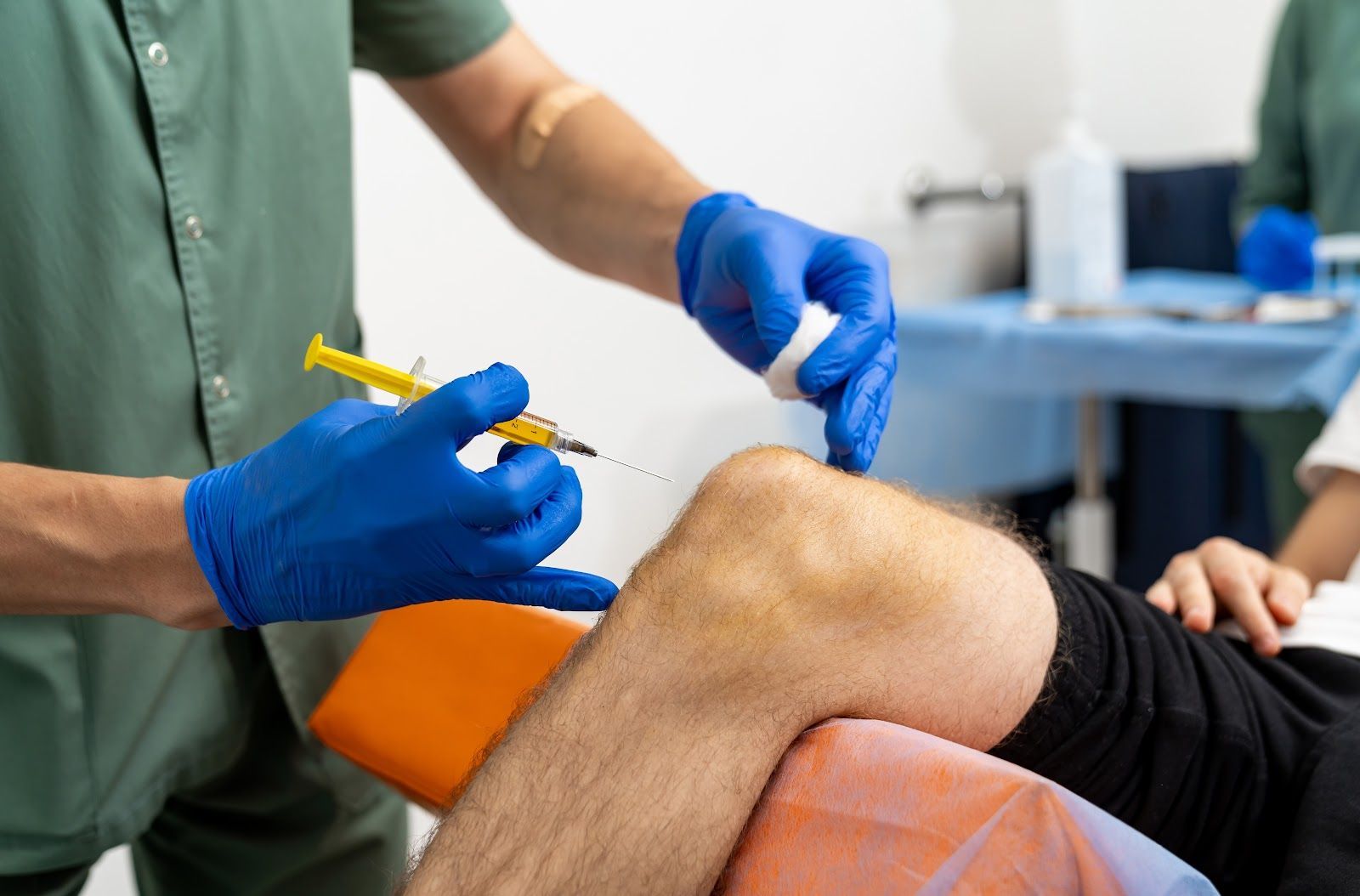
The moments right after receiving PRP for joint pain are crucial. At Dr. Wrinkle Away Clinic, your provider will gently advise you to rest the treated joint for the first 24–48 hours. This doesn’t mean total immobility but sticking to light activities: gentle walking or household tasks are fine. It’s wise to avoid heavy lifting or anything that would put excess strain on the targeted area.
Swelling, mild discomfort, or a sense of fullness at the site is normal. Cold packs can help with immediate swelling, but avoid using heat in the first day or two. Many patients in Whitchurch-Stouffville find that with these measures, the initial stiffness subsides quickly, setting the stage for natural healing to begin.
Activities to Avoid – And When to Start Them Again
A successful PRP aftercare plan isn’t just about what you do, but also what you should skip. The most common question we get is about exercise: “When can I get back to my routine?” The answer depends on both your treatment area and your baseline activity level.
● Avoid High-Impact Exercise: For the first several days, skip jogging, team sports, or brisk cycling.
● Wait on Stretching: Do not aggressively stretch the joint or muscle for a week post-procedure.
● Hold Off on Anti-Inflammatories: Medications such as ibuprofen or naproxen should be avoided, as they may blunt the body’s healing response.
● Gradual Return to Activity: After 4–7 days, low-impact activities like swimming or stationary cycling may be reintroduced, always guided by how you feel and the advice of your provider.
A tailored plan from Dr. Wrinkle Away Clinic will account for your starting fitness, pre-existing joint health, and professional recommendations, so you can reintegrate movement without risking overexertion.
Supporting Joint Recovery in the Weeks Ahead
The benefits of PRP treatments typically unfold gradually. As the weeks go by, your joint should feel less stiff, more comfortable, and capable of improved motion. This period is not the time to rush, but to focus on habits that support cellular repair.
● Prioritize Hydration: Water keeps joint tissues pliable and encourages healing.
● Nourish with Balanced Nutrition: Meals rich in lean proteins, fresh vegetables, and omega-3s can support recovery.
● Listen to Your Body: A sudden return of pain or swelling signals a need to ease off; don’t hesitate to check in with Dr. Wrinkle Away Clinic if you notice anything unusual.
● Consistency Over Intensity: Slow, steady progress leads to more sustainable results than trying for athletic feats too soon.
Gradual progression, with clear touchpoints from your clinic, is central to transforming PRP sessions into lasting, practical improvement.
Frequently Asked Questions
Can I take painkillers after PRP therapy for joint pain?
You can use acetaminophen (Tylenol) if needed for discomfort, but avoid anti-inflammatory medications as they may impair healing.
When should I schedule my next session?
Each person’s response varies, but many benefit from a series timed every few weeks. The care team at Dr. Wrinkle Away Clinic will recommend individualized timing based on your progress.
Is there anything specific I should watch out for?
Minor swelling and soreness are typical. However, significant redness, heat, or fever should be reported to the clinic promptly.
Taking the Right Steps Toward Joint Comfort
Choosing PRP therapy is an important decision, but what you do after the procedure determines how fully you enjoy its benefits. Staying mindful of your activity, hydration, and follow-up guidance from your Whitchurch-Stouffville provider will help keep you on track. For anyone invested in preserving joint health, these aftercare practices are both simple and effective next steps.
Share This Blog